5 Days Hunza Valley Tour Package
A 5-day Hunza tour from Islamabad covering Karimabad, Baltit Fort, Attabad Lake, Passu Cones…
Per person
PKR 38,500PKR 44,000
Book Now
Hunza tour packages covering Karimabad, Baltit & Altit forts, Attabad Lake, Passu Cones and the Khunjerab Pass.
Best time to visit: April – October
A 5-day Hunza tour from Islamabad covering Karimabad, Baltit Fort, Attabad Lake, Passu Cones…
Private Hunza honeymoon with your own car and driver, deluxe rooms with a view and a…
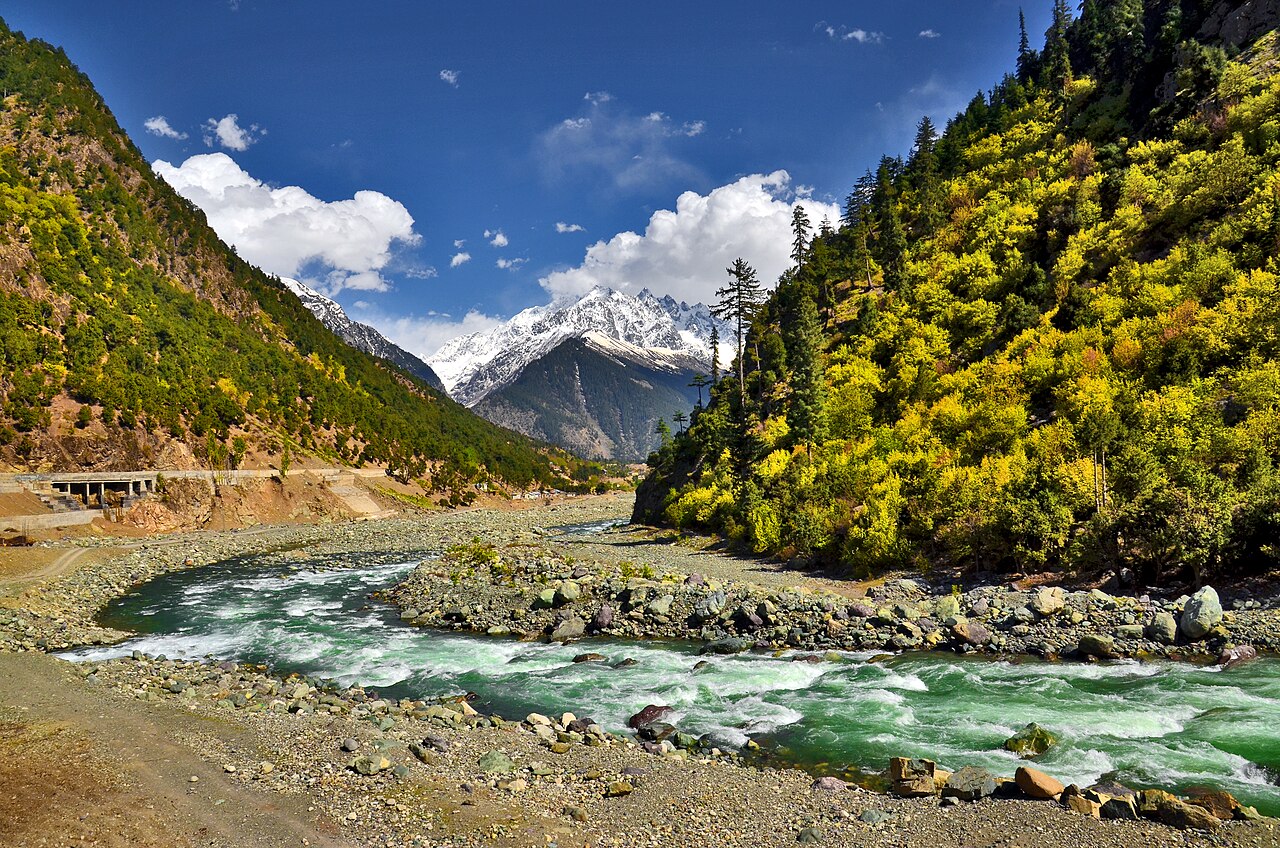
Hunza Valley in Gilgit-Baltistan is one of the most beautiful places in Pakistan and a favourite destination for families, couples, photographers and adventure lovers. Surrounded by giants of the Karakoram range — Rakaposhi, Ultar Sar, Ladyfinger and the Passu Cones — the valley is famous for its turquoise lakes, terraced fields, apricot and cherry orchards, centuries-old forts and the warm hospitality of its people. Our Hunza tour packages are designed to help you experience all of this comfortably, with good hotels, safe transport and experienced drivers.
Hunza lies along the Karakoram Highway (KKH) north of Gilgit, on the historic Silk Route to China. It is usually divided into three areas: Lower Hunza (around Nagar and Rakaposhi viewpoint), Central Hunza (Karimabad, Altit, Aliabad and Duikar) and Upper Hunza or Gojal (Gulmit, Passu, Hussaini, Sost and the Khunjerab Pass).
By road from Islamabad, the journey takes most of two days with an overnight stop in Chilas or Besham, or roughly a long day via Babusar Top when it is open in summer. Flights from Islamabad to Gilgit save time but are weather-dependent. From Gilgit, Karimabad is around two hours by road.
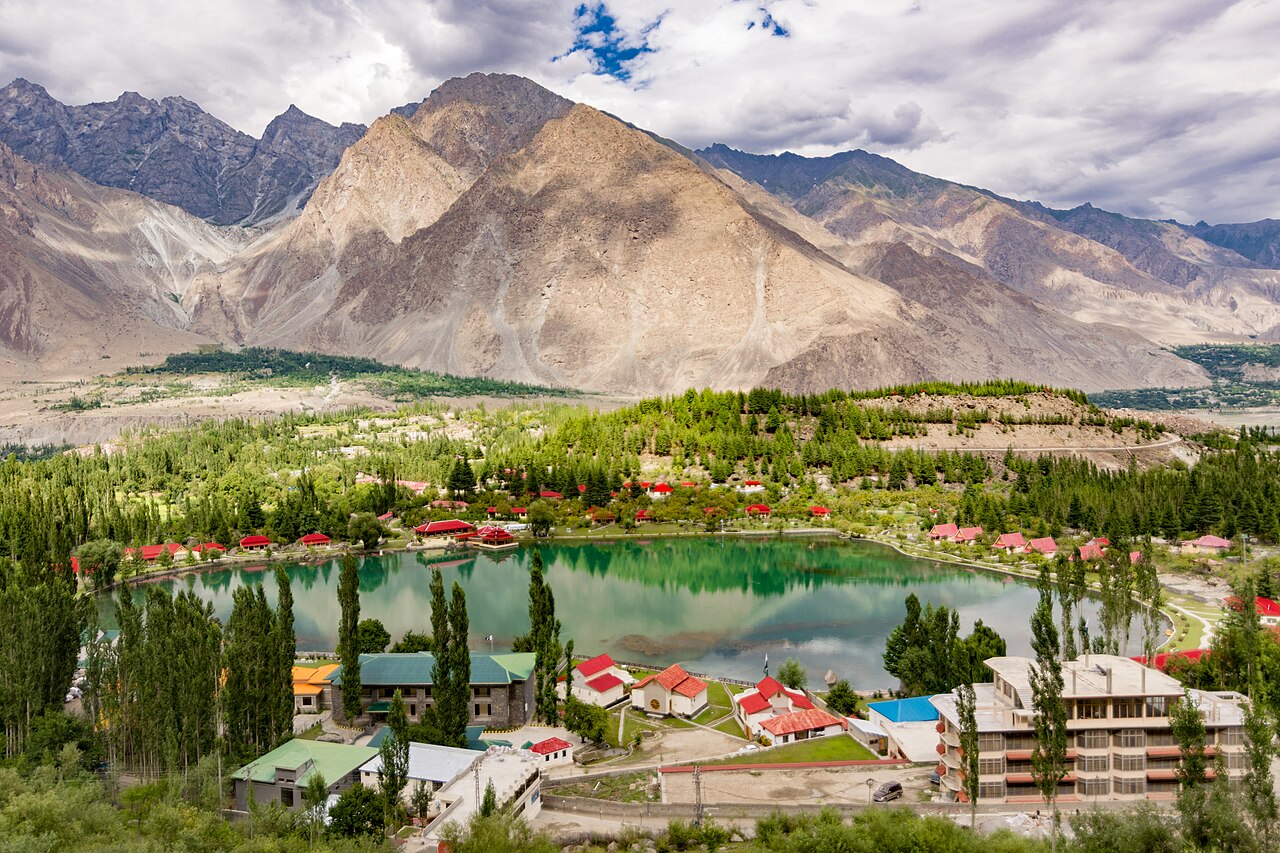
Karimabad is the cultural heart of Hunza. Above the town stands Baltit Fort, the former palace of the Mirs of Hunza, now a museum with views across the valley. A short drive away, Altit Fort is even older and is surrounded by a beautiful royal garden. Walking through the old village lanes, with their stone houses and water channels, is a highlight in itself.
High above Karimabad, the village of Duikar offers one of the best panoramas in Pakistan. Sunrise and sunset here light up Rakaposhi, Diran, Ladyfinger and the whole valley.
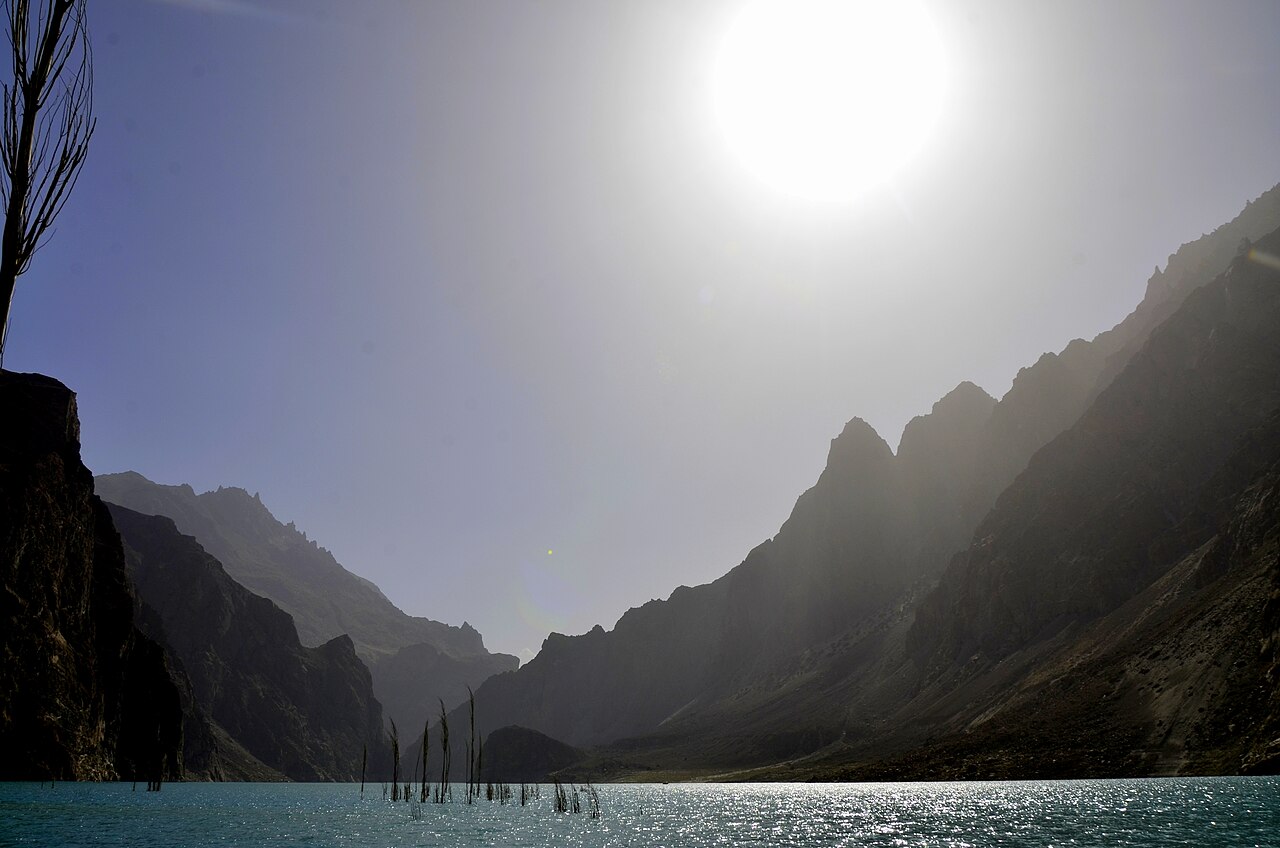
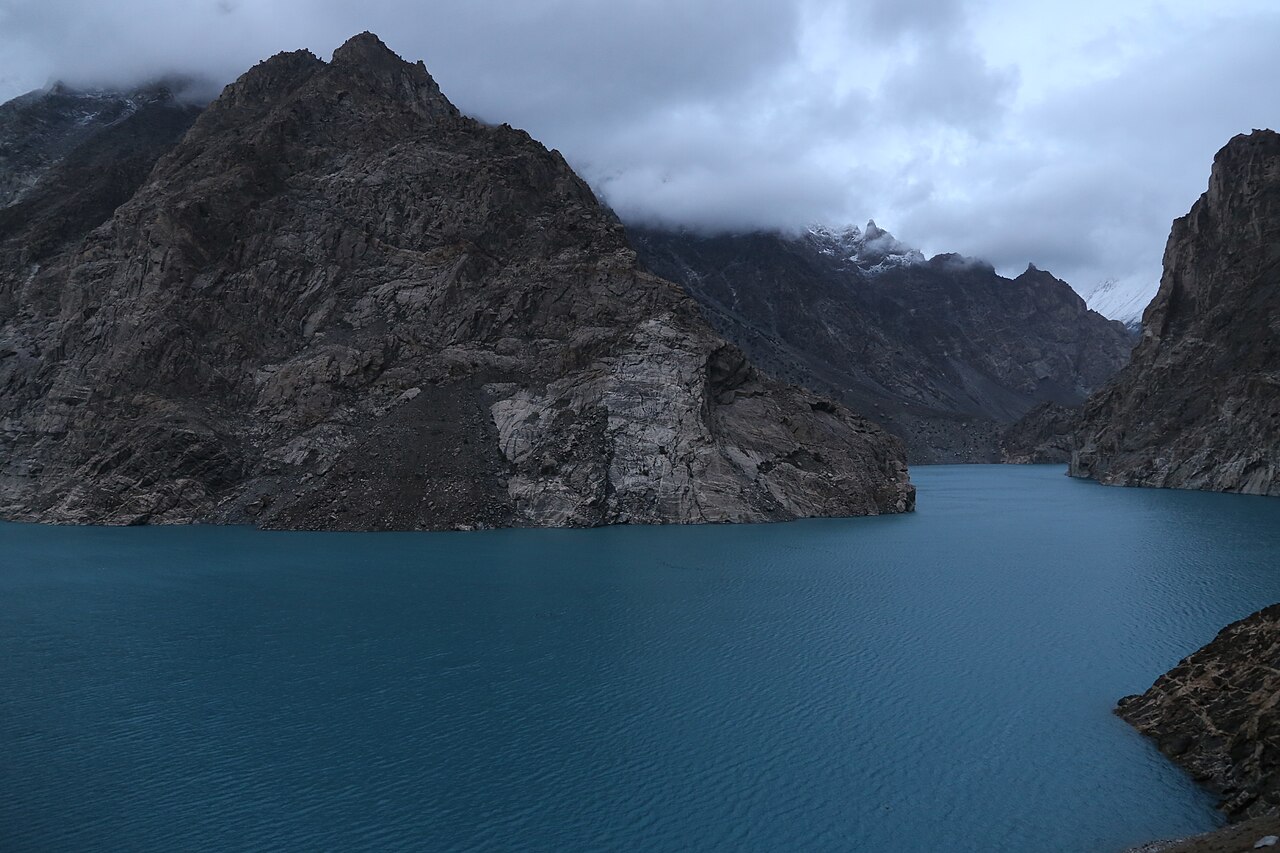
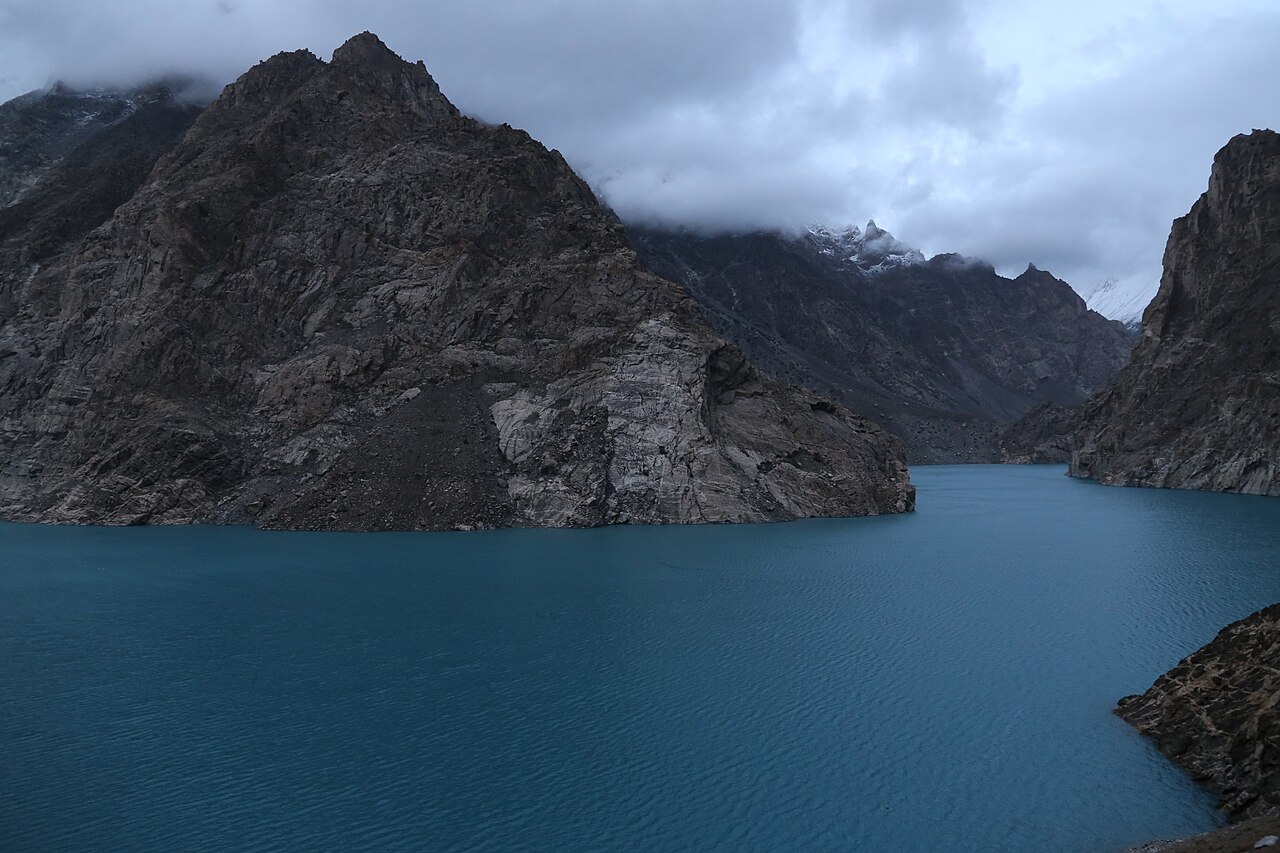
Created by a huge landslide in 2010, Attabad Lake has become Hunza's most famous attraction. Its bright turquoise water is surrounded by mountains, and boat rides, jet skis and lakeside cafés make it a must-visit stop.
In Upper Hunza, the jagged Passu Cones rise dramatically above the road. The Hussaini suspension bridge is a thrilling walk for brave visitors, and nearby Borith Lake is a quiet spot popular with birdwatchers.
At around 4,700 metres, the Khunjerab Pass on the Pakistan–China border is one of the highest paved border crossings in the world. The drive passes through Khunjerab National Park, where you may see yaks and marmots. The pass is seasonal and usually open from late spring to autumn.
On the way to Hunza, the Rakaposhi viewpoint in Ghulmet offers a close view of the 7,788-metre peak. Across the river, Nagar valley leads to the Hopper Glacier for those with extra time.
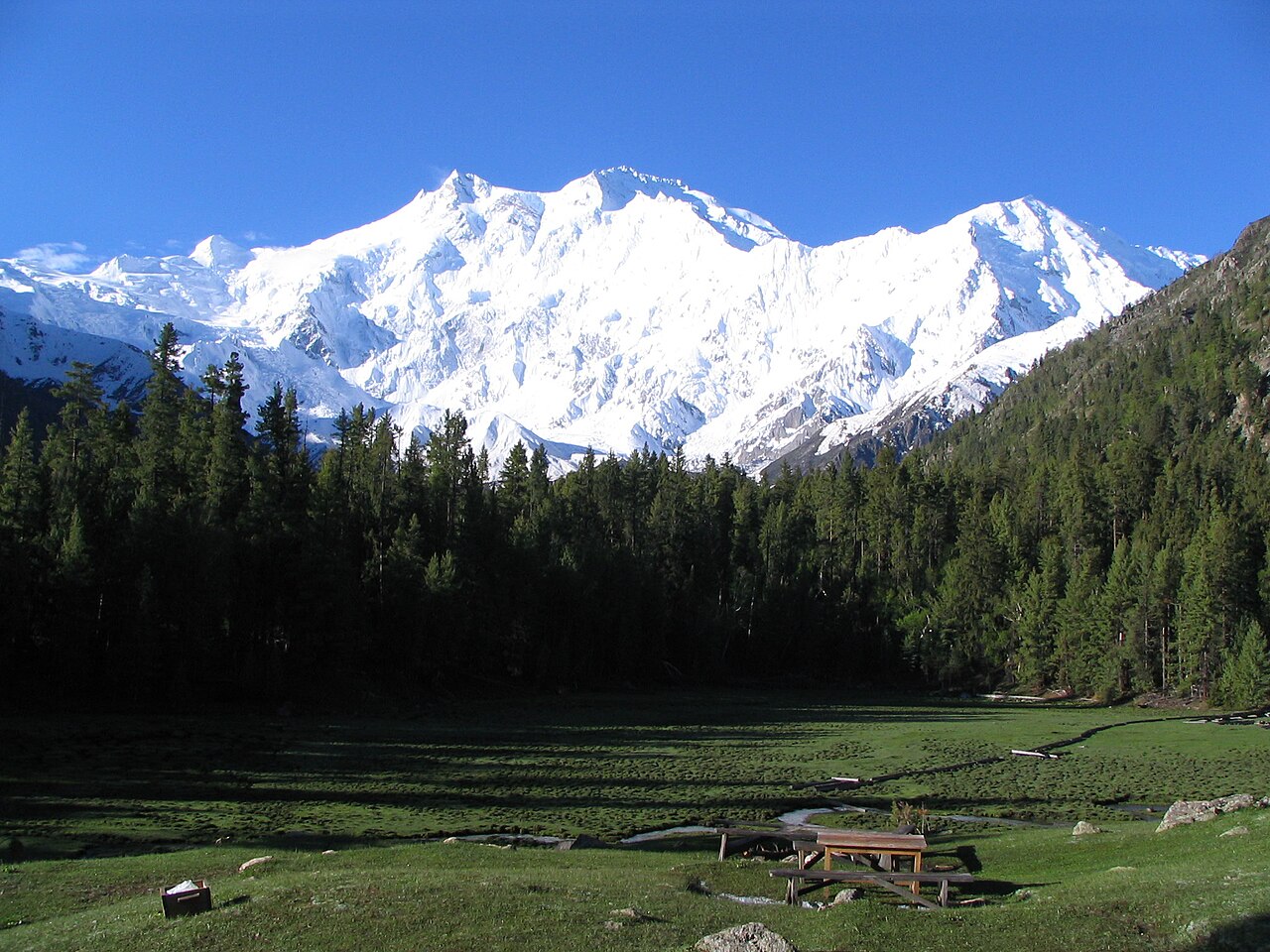
We recommend at least five days from Islamabad by road, which gives you two full days in Hunza. With seven days you can combine Hunza with Skardu, and with nine to ten days you can add Fairy Meadows or Naran. Travellers who fly to Gilgit can see the main highlights in three to four days.
Most visitors stay in Karimabad or Aliabad, which have the widest choice of hotels and restaurants. Upper Hunza (Gulmit and Passu) is quieter, with lake and mountain views. Hotels range from simple guesthouses to boutique hotels and resorts. Our packages include carefully chosen hotels in each budget category.
Hunza's people are known for their friendliness and high literacy. Local dishes worth trying include chapshuro (meat-filled bread), diram fitti, walnut cake, apricot soup and the famous Hunza tea. Respect local customs by dressing modestly and asking before photographing people.
Ready to explore? Browse our Hunza tour packages above or contact us for a customised itinerary.
Tell us where you want to go — our travel experts will plan a trip around your dates and budget.